Security and audit teams
Questions you can answer
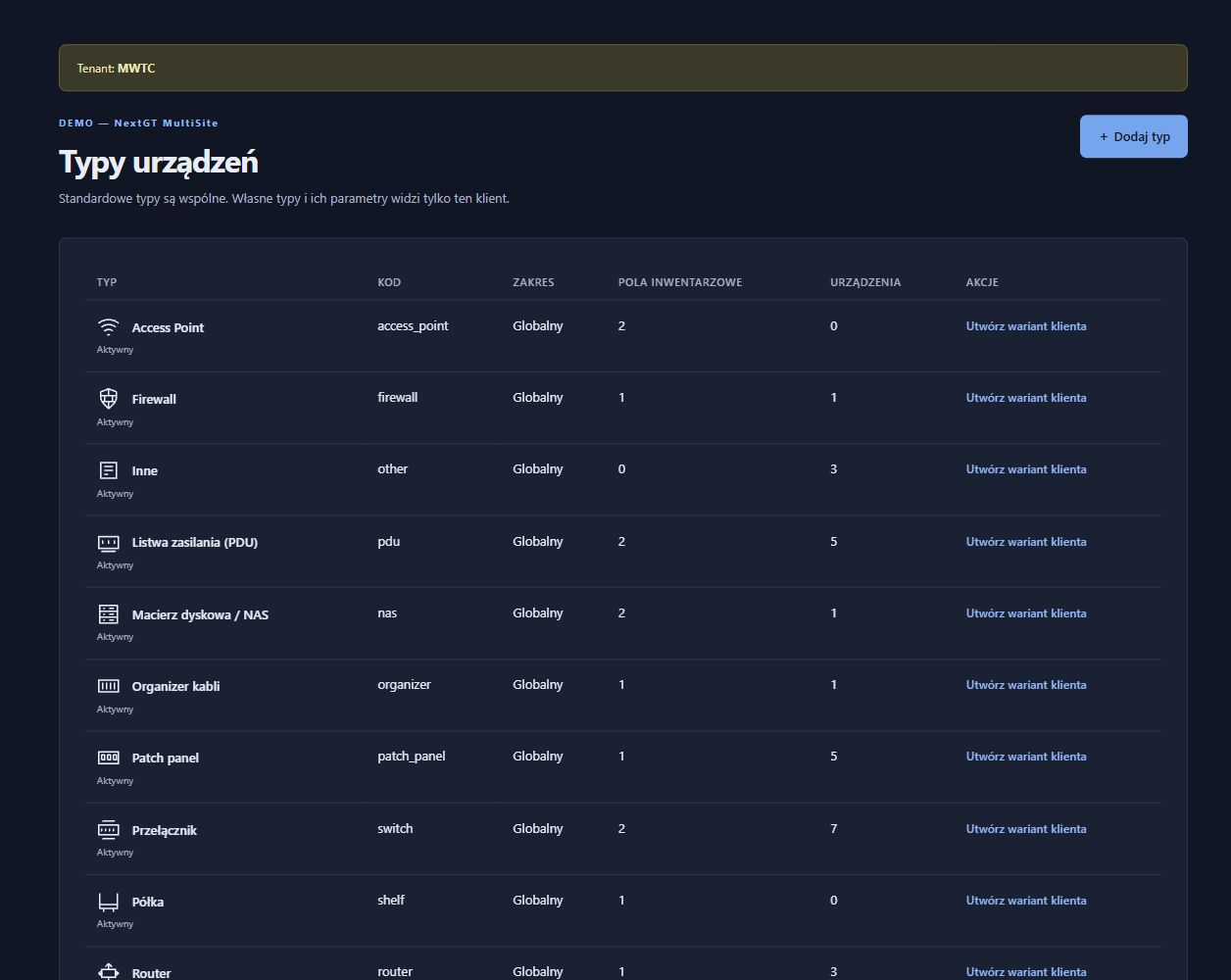
- Which equipment and locations are included in the inventory?
- Which connections and asset details have been documented?
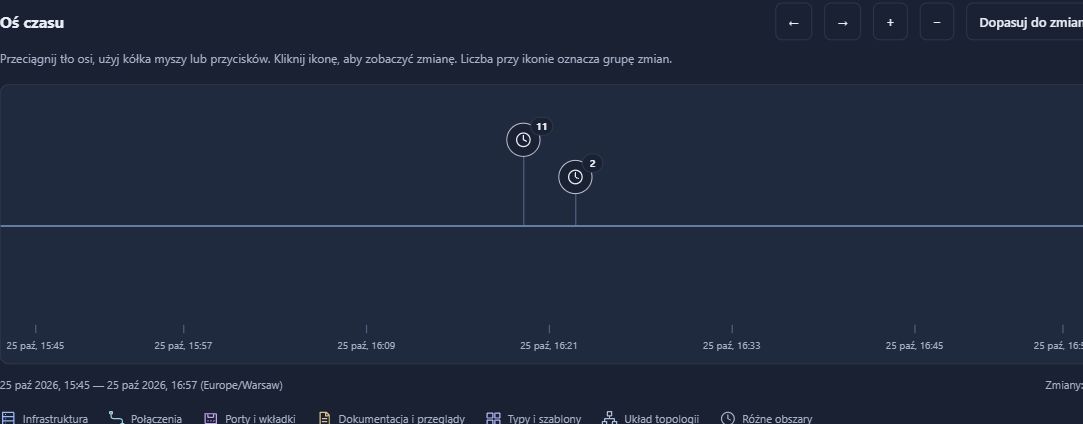
- Which updates were recorded, and what did field verification find?
01. Define scope and data quality.
Agree which locations and devices belong in the inventory. Define required identifiers and additional fields, such as a technical contact or an agreed criticality classification. RackDocs stores the agreed description; the organisation defines the classification, responsibilities and completeness of the scope.
- Agree a minimum asset record.
- Record roles or criticality in custom fields using your chosen method.
- Assign responsibility for maintaining documentation quality in your process.
02. Add physical dependencies to the asset list.
A rack, port, cable and remote endpoint give equipment context. Topology helps review recorded information, while device records bring together technical details. These can inform discussions about risk and continuity. Threat scenarios and impact assessment still require the work of the responsible specialists.
- Check mounting locations for equipment in scope.
- Document relevant ports and connections.
- Use recorded dependencies as input to risk assessment.
03. Verify records and prepare review material.
An inventory round helps verify documentation in the field. Results and comparisons identify items needing investigation; change history allows the team to revisit recorded updates. Reports and available exports help prepare a selected dataset for an internal review or a discussion with an auditor.
- Agree verification scope and frequency.
- Investigate discrepancies and update confirmed information.
- Choose a report and explain its scope and reference period.
What the team has afterwards
- Physical infrastructure records within an agreed scope.
- Location, connection and documented asset attribute information.
- Verification results, history and exports useful for documentation reviews.
RackDocs does not assess or certify compliance. It does not replace an ISMS, risk assessment, incident response or a complete register of information, software and cloud services.
NIS2 / KSC
An asset inventory is also a starting point for NIS2 and KSC.
Asset management is an area named in NIS2 and Poland’s KSC legislation. RackDocs offers a practical way to organise part of the inventory work in those preparations, without starting with many disconnected spreadsheets. We explain the legal references and limits of support on a dedicated page.
How RackDocs supports NIS2 / KSC preparation →Explore the features used
These scenarios illustrate possible uses, not customer case studies. Screenshots come from a RackDocs demonstration environment and show the Polish interface.